Living Unapologetically Black History: A Guide to Digital Design Resources
In the evolving landscape of digital creativity and print-on-demand commerce, cultural expression has become a significant driver of consumer interest. One prominent theme gaining traction is Living Unapologetically Black History. This concept transcends mere historical documentation; it represents a vibrant celebration of identity, resilience, and joy. For designers, crafters, and entrepreneurs, understanding how to effectively utilize digital assets centered on this theme is crucial for creating meaningful and commercially viable products. This article explores the practical aspects of using high-quality digital design files focused on this subject, helping you determine if such resources align with your creative goals.
Understanding the Concept and Its Appeal
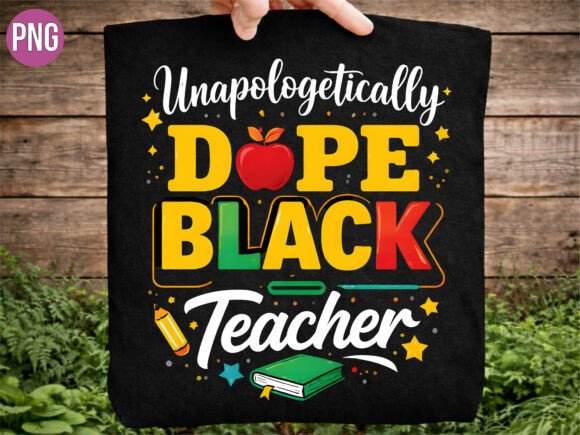
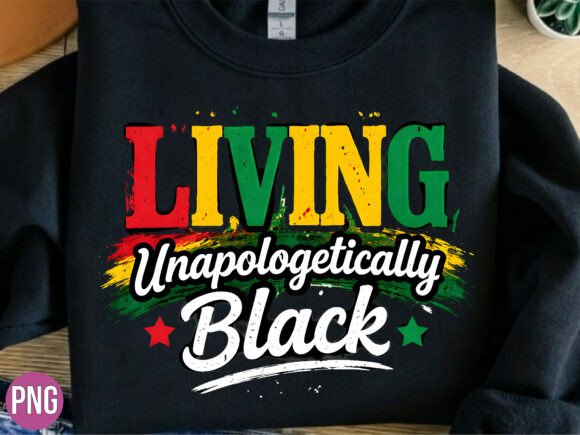
Living Unapologetically Black History is not just a phrase; it is a movement that encourages individuals to embrace their heritage with pride and confidence. In the context of digital design, this theme often manifests through bold typography, symbolic imagery, and affirming messages. The appeal lies in its ability to resonate deeply with audiences who seek representation and authenticity in the products they purchase. When consumers buy a mug, t-shirt, or sticker featuring this motif, they are often buying into a narrative of empowerment and community.
For creators, leveraging this theme requires more than just placing text on a background. It demands an understanding of the cultural nuances and the emotional weight behind the words. High-quality digital files serve as the foundation for this expression, ensuring that the message is delivered with clarity and professional polish. The demand for such designs is driven by a desire for products that reflect personal values and social consciousness, making this niche both impactful and potentially lucrative for those who approach it with respect and quality.
Evaluating Digital Asset Quality
When selecting a digital design file for projects related to Living Unapologetically Black History, technical specifications are paramount. A premium-quality digital design file should offer smooth, professional, and eye-catching results. The primary format to look for is PNG (Portable Network Graphics), which supports transparency. This feature is essential for seamless integration into various design software and printing processes.
Resolution is another critical factor. A file with 300 DPI (dots per inch) ensures that the final printed product looks crisp and clear. Lower resolution images may appear pixelated or blurry when scaled up for larger items like posters or tote bags. Additionally, a transparent background allows for easy placement on any surface or product color without the need for complex editing. These technical attributes reduce the workload for the creator and enhance the perceived value of the end product.
- File Format: PNG with transparent background for versatility.
- Resolution: 300 DPI for high-quality printing standards.
- Accessibility: Instant digital download in a compressed .ZIP folder for immediate use.
- Usability: Easy to extract and integrate into existing workflows.
Practical Applications and Use Cases
The versatility of a well-designed digital asset means it can be applied across a wide range of mediums. For individuals running a print-on-demand business, this flexibility is a significant advantage. Common applications include custom apparel such as t-shirts and hoodies, where the design serves as a statement piece. Home décor items, including throw pillows and wall art, allow consumers to bring this celebratory spirit into their living spaces.
Beyond apparel and home goods, smaller items like stickers, tumblers, and mugs are popular choices. These products often serve as everyday reminders of identity and pride. For hobbyists involved in scrapbooking or planner customization, these designs can add a personalized touch to journal entries and memory keeping. The key is to match the design’s aesthetic with the product’s function. For instance, a bold, graphic design might work best on a t-shirt, while a more subtle iteration could suit a greeting card.
Benefits and Tradeoffs
Using pre-made digital designs offers several benefits. Firstly, it saves time. Creating original artwork from scratch requires significant skill and hours of labor. By utilizing a professionally created file, creators can focus on marketing and customer service rather than design execution. Secondly, it ensures consistency. A high-resolution file guarantees that every print looks the same, maintaining brand integrity.
However, there are tradeoffs to consider. Since these files are available for instant download, they may be used by multiple sellers. This can lead to market saturation if the design becomes too popular. To mitigate this, creators should consider adding unique elements to their products, such as custom color schemes, additional graphics, or personalized text. Furthermore, relying solely on pre-made assets may limit the development of original design skills. It is advisable to view these files as tools within a broader creative strategy rather than a complete solution.
Decision-Making Insights for Creators
Before purchasing a digital file themed around Living Unapologetically Black History, evaluate your target audience. Are they looking for bold, activist-oriented messaging, or do they prefer subtle, celebratory nods to heritage? Understanding this distinction will help you choose the right design style. Additionally, consider your production capabilities. If you are using direct-to-garment printing, ensure the file’s color profile matches your printer’s requirements. For sublimation printing, check that the design dimensions fit your specific product templates.
It is also important to assess the licensing terms. Most digital downloads come with specific usage rights. Ensure that the license allows for commercial use if you intend to sell products featuring the design. Some licenses may restrict the number of units sold or require attribution. Reading these details carefully prevents legal issues and ensures a smooth business operation.
When to Consider Alternatives
While high-quality digital files are efficient, they may not be suitable for every scenario. If you are building a highly distinctive brand identity, relying on common stock designs might dilute your uniqueness. In such cases, commissioning a custom illustrator or learning to create original vector graphics may be a better long-term investment. Additionally, if your project requires specific cultural symbols or historical references that are not accurately represented in generic designs, custom work ensures accuracy and respect.
Another alternative is using open-source or public domain historical images, which can be manipulated to create unique compositions. This approach requires more technical skill but offers greater creative freedom. Ultimately, the choice between using a pre-made digital file and creating original art depends on your budget, timeline, and brand goals.
Conclusion
Incorporating Living Unapologetically Black History into your creative projects can be a powerful way to connect with audiences and celebrate cultural heritage. By selecting high-quality digital assets with proper resolution and transparency, you ensure professional results across various products. Whether you are a seasoned print-on-demand entrepreneur or a DIY enthusiast, understanding the technical and contextual aspects of these designs helps you make informed decisions. Balance convenience with originality, respect the cultural significance of the theme, and always verify licensing terms to create products that are both meaningful and commercially successful.