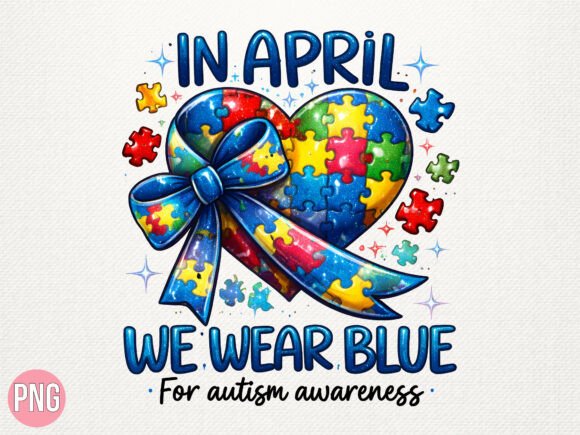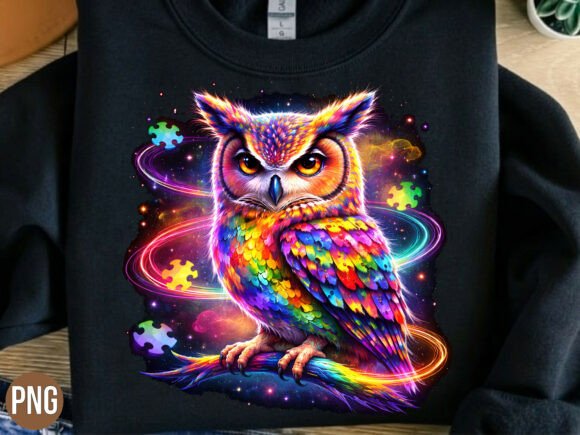
Mastering the Colorful Owl Autism Puzzle Piece PNG for Professional Results
Creating meaningful merchandise or digital content centered around autism awareness requires more than just good intentions; it demands high-quality visual assets that communicate respect and clarity. The Colorful Owl Autism Puzzle Piece PNG has emerged as a popular choice for creators who want to blend the symbolic recognition of the puzzle piece with the wisdom and gentle nature often associated with owls. However, many designers, small business owners, and hobbyists stumble not because they lack creativity, but because they overlook the technical nuances of digital file usage. Understanding how to properly implement this specific design can mean the difference between a product that looks amateurish and one that sells consistently.
The Trap of Low-Resolution Downloads
One of the most common mistakes beginners make is assuming that any image found online is suitable for printing. When you are working with a design intended for physical products like t-shirts, mugs, or tumblers, resolution is non-negotiable. A standard web image is typically 72 DPI (dots per inch), which looks fine on a screen but appears pixelated and blurry when printed. This is where the specifications of your source file matter immensely.
Using a low-resolution version of the Colorful Owl Autism Puzzle Piece PNG can ruin the perceived value of your final product. Customers expect crisp lines and vibrant colors. If the edges of the owl’s feathers or the individual puzzle pieces look jagged, it signals poor quality control. To avoid this, always ensure you are downloading files that are explicitly labeled as 300 DPI. This higher density ensures that every detail remains sharp, even when the design is scaled up for larger items like tote bags or home décor posters. Always check the file properties before you begin your project to confirm these specifications.
Misunderstanding Transparent Backgrounds
Another frequent oversight involves the background of the image. Many novice creators download JPEG files instead of PNGs, not realizing that JPEGs do not support transparency. If you place a JPEG with a white square background onto a navy blue t-shirt, you will end up with an unsightly white box surrounding your owl design. This not only looks unprofessional but also limits your design versatility.
The premium-quality digital design file mentioned in this context includes a transparent background. This feature is critical for seamless integration into various projects. It allows you to place the colorful owl directly onto dark fabrics, colored paper, or complex digital layouts without needing tedious manual editing to remove the background. Before you start designing, verify that your file is indeed a PNG with transparency. You can do this by opening the file in your preferred software; if you see a checkerboard pattern behind the owl, you are good to go. If you see a solid white color, you may have the wrong file format.
Ignoring Licensing and Usage Rights
While the immediate focus is often on aesthetics, ignoring the legal aspect of digital downloads can lead to significant issues down the line. Many free resources online come with restrictive licenses that prohibit commercial use. If you are running a print-on-demand business or selling handmade crafts at local markets, using a design without the proper commercial license can result in takedowns, fines, or damage to your brand’s reputation.
When you purchase a premium listing like this one, you are typically granted specific rights to use the design for both personal and commercial projects. However, it is vital to read the terms carefully. Some licenses may allow you to sell physical products featuring the design but prohibit you from reselling the digital file itself or using it in trademarked logos. Clarifying these boundaries before you invest time in creating inventory protects your business and ensures you are operating ethically. Always keep a record of your purchase receipt and license terms as proof of ownership.
Overlooking Color Profiles for Print vs. Digital
A subtle yet impactful mistake involves color management. Screens display colors in RGB (Red, Green, Blue), while printers use CMYK (Cyan, Magenta, Yellow, Key/Black). The vibrant hues of the Colorful Owl Autism Puzzle Piece PNG may look stunning on your monitor but can appear duller or shifted when printed if not managed correctly. While most modern print-on-demand services handle this conversion automatically, being aware of it helps you set realistic expectations.
To mitigate color shift, consider ordering a sample product before launching a full campaign. This allows you to see how the specific shades of blue, yellow, and red in the owl design translate to physical materials. If you are doing home printing, ensure your printer settings are optimized for photo-quality output. Testing beforehand saves money and prevents customer dissatisfaction due to unexpected color variations.
Best Practices for Implementation
To get the most out of your digital asset, follow these practical steps:
- Extract Files Properly: Your purchase will likely arrive in a compressed .ZIP folder. Do not try to use the design directly from within the zip file. Extract or unzip the folder first to ensure the software can read the data correctly and prevent corruption.
- Scale Wisely: Even with a high-resolution file, there is a limit to how much you can enlarge an image before quality degrades. Keep the original dimensions in mind and avoid scaling up beyond 10-20% of the original size if possible.
- Layer Smartly: When using design software, place the PNG on its own layer above your background. This makes it easier to adjust opacity, add shadows, or reposition the owl without affecting other elements of your composition.
Choosing the Right Products for This Design
The versatility of this design makes it suitable for a wide array of applications, but some products showcase the details better than others. The intricate lines of the puzzle pieces and the feather details of the owl shine on smooth surfaces. Consider using this design for:
- Apparel: T-shirts and hoodies are classic choices. The transparent background ensures the design blends naturally with fabric colors.
- Accessories: Stickers and tumblers benefit from the vibrant colors and clear outlines, making them eye-catching in social media photos.
- Paper Goods: Greeting cards, scrapbooks, and planners allow for high-detail printing where the 300 DPI resolution truly stands out.
- Home Décor: Pillows and wall art can serve as gentle reminders of support and awareness, adding warmth to living spaces.
By avoiding these common pitfalls and adhering to best practices, you can ensure that your creative projects not only look professional but also convey the intended message of support and awareness effectively. The right preparation transforms a simple digital download into a powerful tool for connection and commerce.